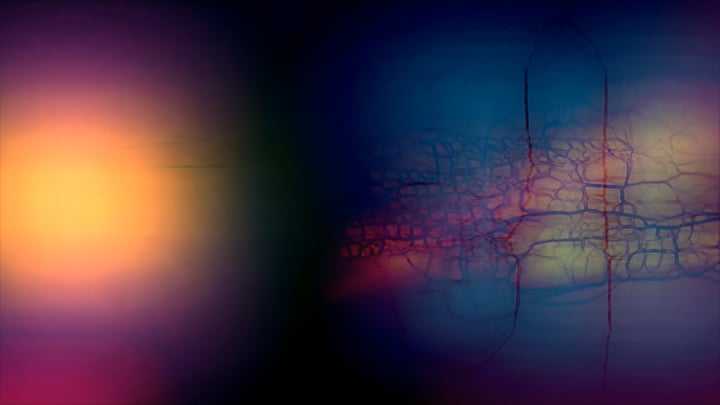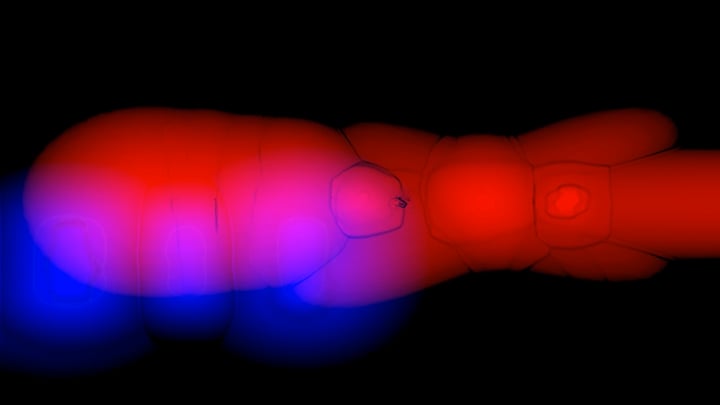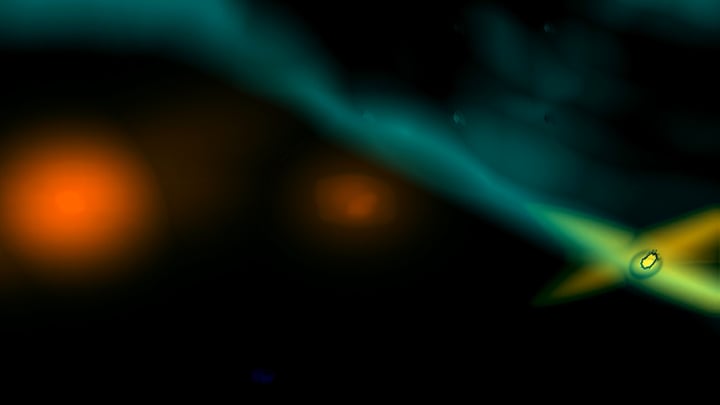
Unrest 2.0 (2020)
Sound Sculpture / Data Sonification Installation
Unrest 2.0 explores the act of protest through the internet as a response to the global rise of far-right politics.
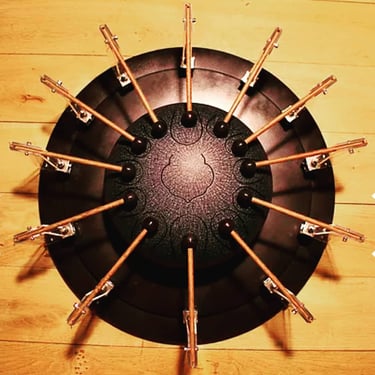
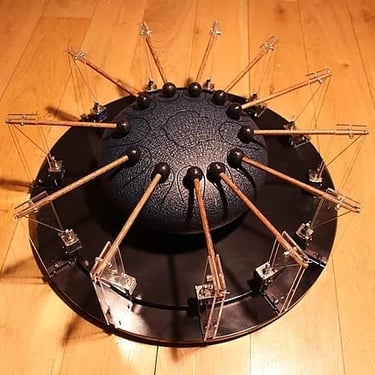
The work uses real-time data from the global Twitter feed, translating it into sound through sonification processes. Melodic structures are generated based on the volume of posts associated with movements of resistance and opposition to ultra-conservative ideologies.
Presented as a physical installation, the piece transforms digital activity into a tangible, sensory experience. Mechanical movements and percussive elements drive the composition, making visible—and audible—the otherwise invisible dynamics of online political engagement.
By converting data into sound, Unrest 2.0 reflects on the relationship between collective action, technological mediation, and representation, turning the continuous flow of information into an immersive audiovisual experience.
Not a Game (2019)
Interactive Audiovisual Installation
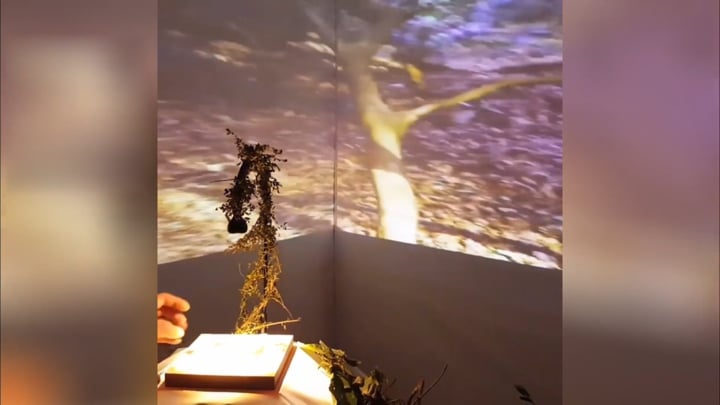
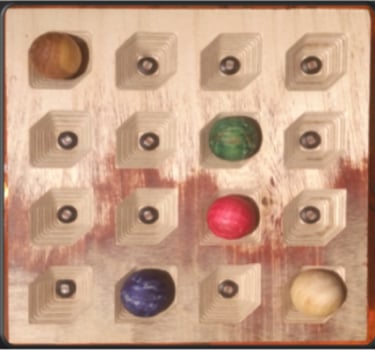
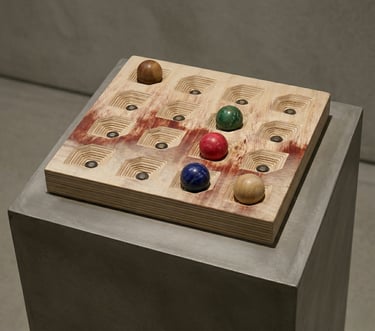
Not a Game is an interactive installation presented at Gallery 46 (London) that explores the relationship between human action and the environment through the metaphor of a game.
The work consists of a physical device with 16 light sensors (Arduino and Max/MSP) that allows the audience to intervene in real time in an audiovisual composition based on recordings of a natural environment.
As users interact with the system through physical objects, the soundscape and visuals progressively degrade, generating a distorted and increasingly uncomfortable experience.
By establishing a direct correspondence between interaction and outcome, the piece reflects on human impact on the environment, framing participation as both engagement and disruption.
Faces — Real-time Face Generation and Detection (2024)
Audiovisual Installation / AI-based System
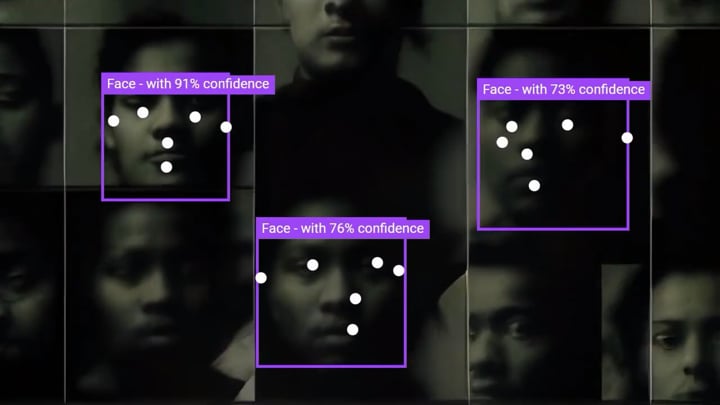
Faces is an audiovisual installation that explores the generation of facial images through artificial intelligence alongside real-time face detection.
The project combines generative visuals with computer vision systems (MediaPipe) to create an environment in which faces are simultaneously produced and analyzed. This process establishes a tension between the artificial construction of identity and the mechanisms of capture and classification inherent in surveillance technologies.
Through the integration of TouchDesigner and facial tracking systems, the work reflects on the growing use of AI in contexts of control, while questioning the relationship between image, data, and identity in contemporary society.
Chromaesthesia (2018)
Audiovisual Installation / Interactive Performance
Chromaesthesia is an audiovisual installation and interactive performance that explores the relationship between color and sound through real-time generative systems.
The piece uses TouchDesigner and Ableton Live to create an environment where visual elements respond directly to musical parameters, blending harmonic, ambient, and glitch textures. Each performance produces a unique composition in which sound and image evolve interdependently.
The system incorporates MIDI controllers and body-based interaction, allowing the audience to modify melodies and sonic structures while simultaneously shaping the visual output. This interaction transforms the viewer into an active participant, generating a constantly shifting and non-repeatable audiovisual experience.